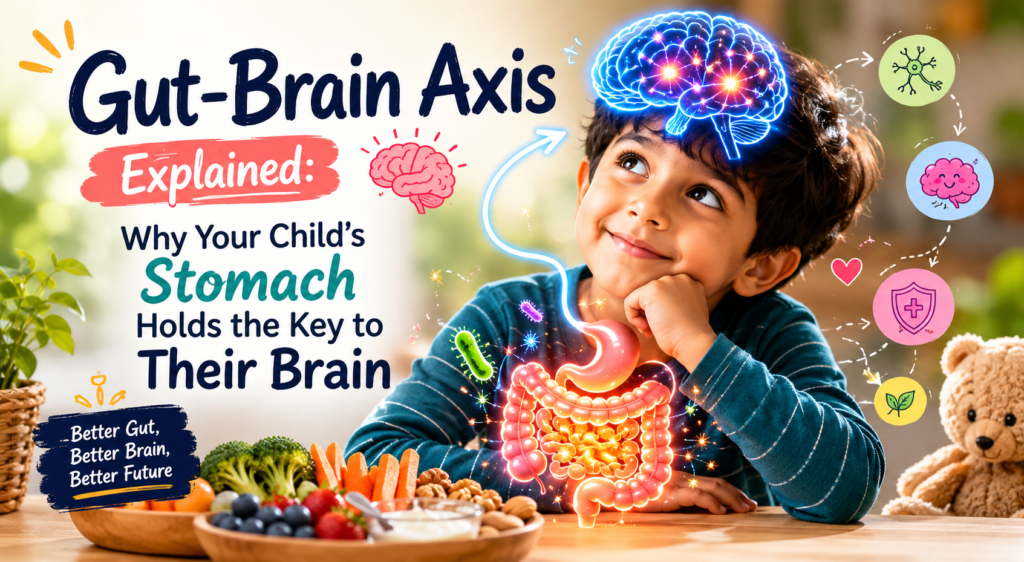
Gut-Brain Axis Explained: Why Your Child’s Stomach Holds the Key to Their Brain
Have you ever noticed that your child’s behaviour, mood, sleep, or focus becomes worse when they have stomach issues? Many parents of children with autism, ADHD, sensory challenges, anxiety, speech delays, developmental differences, often report symptoms like constipation, bloating, diarrhoea, food sensitivities, picky eating, reflux, stomach pain. For years, these issues were treated separately. But science now shows something remarkable: Your child’s gut and brain are constantly communicating. This powerful connection is called the gut-brain axis — and understanding it may completely change how we view children’s health, behaviour, emotions, and development.
What Is the Gut-Brain Axis?
The gut-brain axis is the two-way communication network between the digestive system, the brain, the nervous system, hormones, immune system, gut bacteria (microbiome). Your child’s gut is not just for digesting food. It is deeply connected to emotions, attention, learning, memory, sleep, sensory processing, stress response, immune regulation. In fact, scientists often call the gut: “The Second Brain”. Why? Because the gut contains over 100 million nerve cells, trillions of bacteria, powerful neurotransmitters, including serotonin — the “feel-good” chemical. Did You Know? Nearly 90% of serotonin is produced in the gut, not the brain.
Why Gut Health Matters for Children
A healthy gut supports brain development, emotional regulation, immunity, nutrient absorption, energy levels, sleep quality, cognitive function. When the gut becomes imbalanced, children may experience inflammation, digestive discomfort, mood changes, anxiety, hyperactivity, , behavioural dysregulation, brain fog, fatigue. For some children, gut health challenges may worsen developmental symptoms.
Parents often notice that when their child’s digestion improves, other areas such as sleep, attention, comfort, and emotional stability may improve as well. While gut health is not a cure for developmental conditions, it may significantly influence a child’s overall wellbeing and quality of life.
Understanding the Gut Microbiome
Inside the digestive system lives a vast ecosystem of microorganisms known as the gut microbiome. These bacteria and microbes help digest food, produce vitamins, regulate immunity, reduce inflammation, and support healthy nervous system function. When the microbiome is healthy and diverse, it helps maintain balance within the body. However, poor diet, excessive processed foods, chronic stress, poor sleep, frequent antibiotic use, and limited food variety may negatively affect the microbiome over time. Researchers are increasingly studying how imbalances in gut bacteria may influence mood, behaviour, sensory regulation, and cognitive development in children.
Signs of an Unhealthy Gut in Children
Children with gut imbalance may experience digestive symptoms such as constipation, bloating, gas, diarrhoea, reflux, irregular bowel movements, or stomach pain. In some cases, emotional and behavioural symptoms may also appear. These can include irritability, meltdowns, anxiety, hyperactivity, poor focus, emotional outbursts, sleep difficulties, and increased sensory sensitivity. Some children may also develop eczema, food sensitivities, fatigue, headaches, or recurrent illness due to immune system stress linked to poor digestive health. Because every child is unique, symptoms can vary greatly from one child to another.
The Gut-Brain Connection in Autism and ADHD
Researchers have found that many children with Autism Spectrum Disorder and Attention-Deficit/Hyperactivity Disorder experience gastrointestinal issues more frequently than neurotypical children. Some may have restricted diets, chronic constipation, food sensitivities, or microbiome imbalances that affect their comfort and emotional regulation. It is important to understand that gut issues do not cause autism or ADHD. These are complex neurodevelopmental conditions influenced by many factors. However, improving digestive health may help support sleep, focus, emotional regulation, and physical comfort in some children. This field of research is still evolving, but the growing evidence surrounding the gut-brain axis continues to highlight the importance of whole-body health in child development.
How the Gut and Brain Communicate
The gut and brain communicate through several biological systems working together continuously throughout the day. One major pathway is the vagus nerve, which acts like a communication highway connecting the digestive system and brain. This nerve helps regulate digestion, stress response, heart rate, and emotional processing. Gut bacteria also help produce neurotransmitters such as serotonin, dopamine, and GABA, which influence mood, sleep, attention, motivation, and emotional stability. Another important factor is inflammation. Around 70% of the immune system is closely connected to the gut. When the digestive system becomes inflamed, it may place additional stress on the nervous system and affect emotional or behavioural regulation. The gut also plays a critical role in absorbing nutrients like magnesium, zinc, iron, B vitamins, and omega-3 fatty acids, all of which are essential for healthy brain development and nervous system function.
Factors That Can Harm Gut Health
Modern lifestyles can negatively affect the gut microbiome in children. Excessive processed foods, high sugar intake, chronic stress, poor sleep quality, limited physical activity, and repeated antibiotic exposure may all contribute to digestive imbalance over time. Picky eating can also reduce dietary diversity, limiting the beneficial nutrients and fibres needed to support healthy gut bacteria. Additionally, emotional stress and nervous system dysregulation may directly impact digestion because the brain and gut are constantly communicating.
When Should Parents Seek Professional Help?
Parents should seek professional advice if their child experiences persistent constipation, severe bloating, chronic stomach pain, unexplained weight loss, major food restriction, blood in stool, or ongoing digestive discomfort. A multidisciplinary approach involving paediatricians, nutritionists, gastroenterologists, occupational therapists, psychologists, or developmental specialists may provide the best support depending on the child’s individual needs.
Common Misconceptions About the Gut-Brain Axis
One common myth is that gut problems directly cause autism or ADHD. Current evidence does not support this claim. These conditions are complex neurodevelopmental differences with many contributing factors. Another misconception is that one specific diet works for every child. In reality, every child’s biology, sensory profile, nutritional needs, and medical history are different. Some parents also believe supplements alone can solve behavioural challenges. However, gut health is influenced by many interconnected factors including sleep, stress, nutrition, movement, emotional regulation, and family environment.
Why the Gut-Brain Axis Matters in Special Needs Parenting
For many parents, developmental challenges are often viewed only through behavioural or educational lenses. The gut-brain axis reminds us that physical discomfort, digestion, inflammation, sleep, stress, and emotional regulation are deeply connected. A child who is uncomfortable internally may struggle emotionally, behaviourally, or cognitively. Understanding this connection encourages a more compassionate and holistic approach to supporting children. While gut health is only one part of the larger picture, it may still play an important role in helping children feel calmer, healthier, and more regulated in everyday life.