Diarrhea is a common digestive concern in children, but in those with developmental differences such as Autism Spectrum Disorder (ASD) and Attention Deficit Hyperactivity Disorder (ADHD), it can have broader effects beyond physical discomfort. Through the gut–brain axis — the bidirectional communication network between the digestive system and the brain — frequent loose stools can influence mood, behaviour, attention, and emotional regulation. Understanding this connection helps parents approach diarrhea not just as a digestive issue, but as a whole-child concern.
Understanding Diarrhea in Children with Developmental Delays
Diarrhea involves loose, watery stools occurring more frequently than normal. In children with ASD or ADHD, it may be chronic (long-term) or episodic (recurring).
Common contributing factors include:
- Gut inflammation
- Food sensitivities or intolerances
- Imbalance in gut bacteria
- Immune system activation
- Stress-related digestive responses
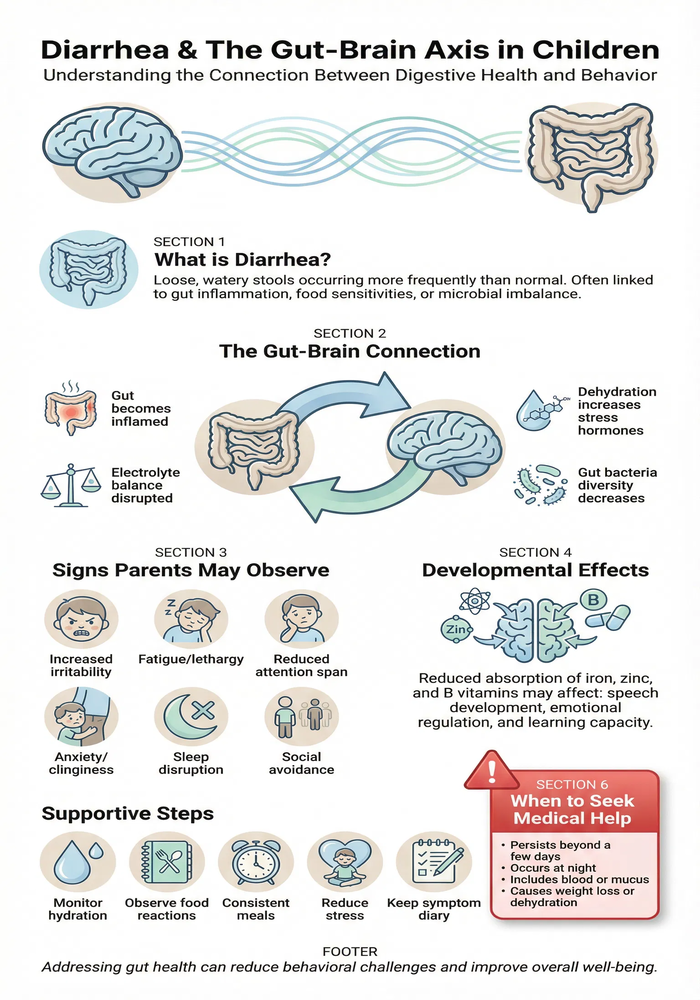
Because many children with developmental delays already have sensory sensitivities and regulatory challenges, gastrointestinal disturbances can intensify behavioural symptoms.
The Gut–Brain Connection: Why Diarrhea Affects Behaviour
The digestive tract contains a dense network of nerves known as the Enteric Nervous System, often referred to as the “second brain.” It communicates continuously with the central nervous system through pathways such as the Vagus Nerve.
When diarrhea occurs:
- The gut lining becomes inflamed
- Electrolyte balance is disrupted
- Dehydration elevates stress hormones
- Beneficial gut bacteria diversity decreases
- Immune responses intensify
These physiological stress signals travel to the brain, potentially increasing irritability, emotional dysregulation, and cognitive fatigue. For children already working hard to regulate sensory input and emotions, this added biological stress can significantly affect daily functioning.