Inflammatory Bowel Disease (IBD) and Brain Function in Children: Understanding the Gut–Brain Connection
Inflammatory Bowel Disease in children is a serious chronic condition that affects not only the digestive system but also brain function and emotional wellbeing. Conditions such as Crohn’s disease and Ulcerative colitis fall under IBD. While less common than other digestive disorders, paediatric IBD can significantly influence mood, cognition, and development—especially in children with developmental delays. This blog explores the gut–brain axis in IBD, how inflammation affects brain function, and what parents should know about supporting their child’s emotional and cognitive health.
Understanding IBD and Its Impact on Brain Function
IBD involves chronic inflammation of the digestive tract. Unlike functional disorders, IBD causes visible inflammation and tissue damage in the intestines. Symptoms often include persistent abdominal pain, chronic diarrhea, blood in stool, fatigue, and poor growth. However, the effects extend beyond the gut. Through the gut–brain axis in children, ongoing intestinal inflammation sends immune and inflammatory signals to the brain. Research shows that inflammatory molecules can influence neurotransmitters and may even cross the blood–brain barrier. This is why children with IBD may experience both digestive symptoms and neurological or emotional changes.
Chronic inflammation can contribute to:
- Increased fatigue and low energy levels
- Difficulty concentrating or reduced cognitive stamina
- Mood regulation challenges
- Heightened anxiety and depression risk
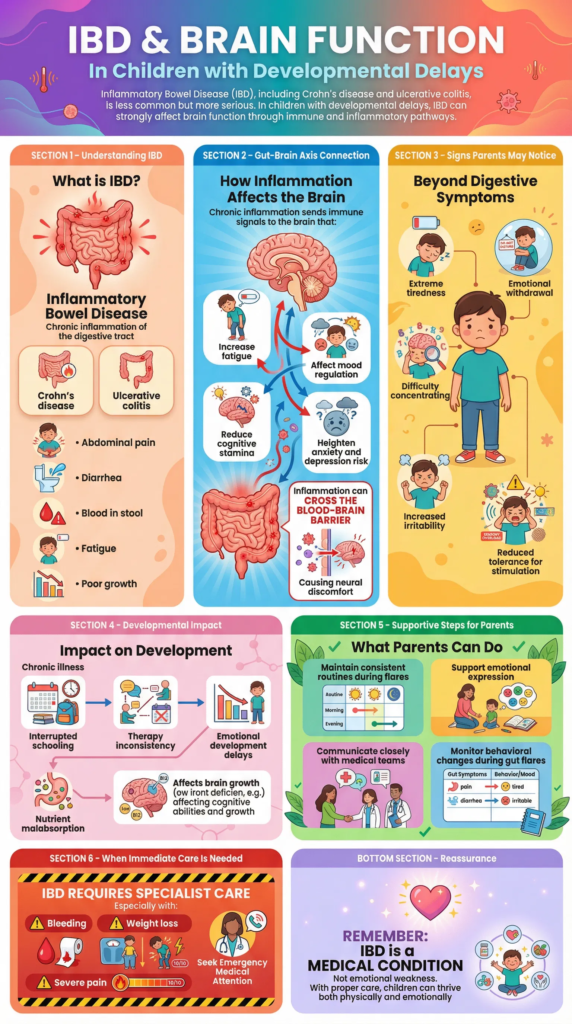
When inflammation persists, it may interfere with school performance, therapy participation, and social engagement. In growing children, nutrient malabsorption due to IBD further impacts brain development and emotional regulation. Vitamins like B12, iron, and folate are essential for cognitive function, and deficiencies may worsen symptoms such as irritability or mental fog. Parents often notice that behavioural changes intensify during flare-ups. Understanding this link between paediatric IBD and brain function helps families respond with compassion rather than frustration.
Signs, Developmental Effects, and Supportive Strategies for Parents
Beyond digestive symptoms, children with inflammatory bowel disease may display emotional and behavioural changes that are directly connected to inflammation and fatigue. Recognizing these signs early is crucial for comprehensive care.
Parents may notice:
- Extreme tiredness or low stamina
- Emotional withdrawal from friends or activities
- Increased irritability or frustration
- Difficulty concentrating in school
- Reduced tolerance for sensory stimulation
These changes are not signs of laziness or defiance. They are often biological responses to inflammation and immune activity. Chronic illness can interrupt schooling, reduce therapy consistency, and limit peer interaction. Over time, this may influence confidence, independence, and emotional growth.
Supportive steps for managing IBD and emotional health in children include:
- Maintain consistent daily routines, even during flare periods
- Encourage safe emotional expression and open communication
- Work closely with paediatric gastroenterologists and specialists
- Monitor behavioural changes alongside digestive symptoms
Because IBD is a medical condition, specialist care is always required. Immediate evaluation is necessary if there is significant bleeding, severe abdominal pain, rapid weight loss, or dehydration. Early medical management reduces inflammation and protects both gut and brain health.
Parent Reassurance
It is important to remember that IBD is a biological immune condition—not emotional weakness. Behavioural or mood changes are often part of the inflammatory process. With appropriate medical treatment, nutritional support, and emotional understanding, many children with IBD lead active and fulfilling lives. Supporting both digestive and emotional health creates the strongest foundation for long-term development. By understanding the connection between chronic inflammation and brain function in children, parents can respond with clarity, confidence, and compassion.